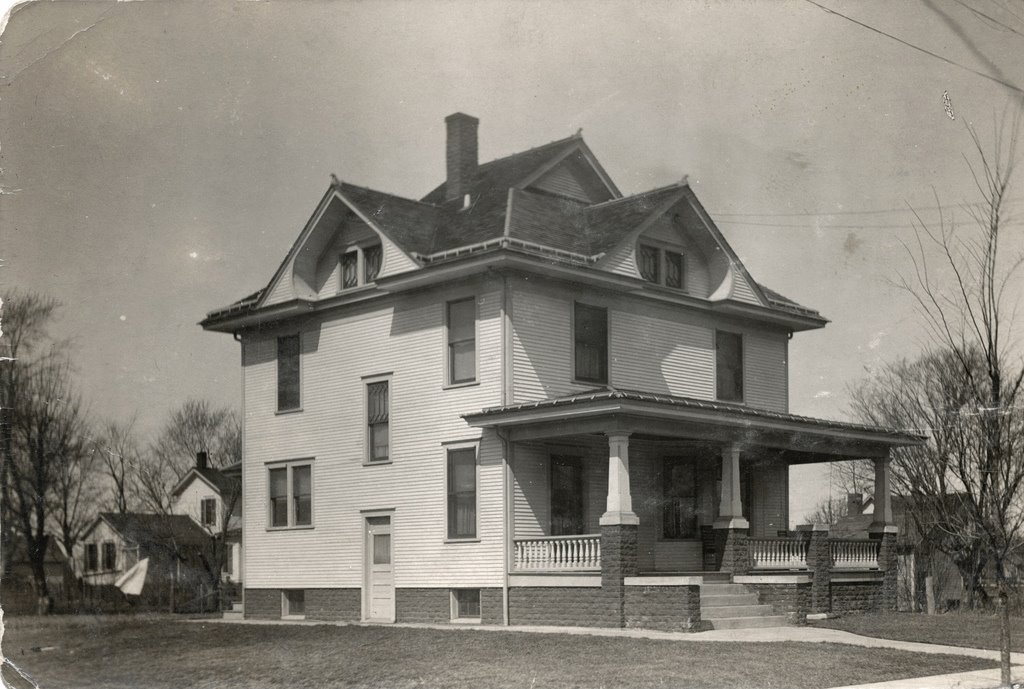
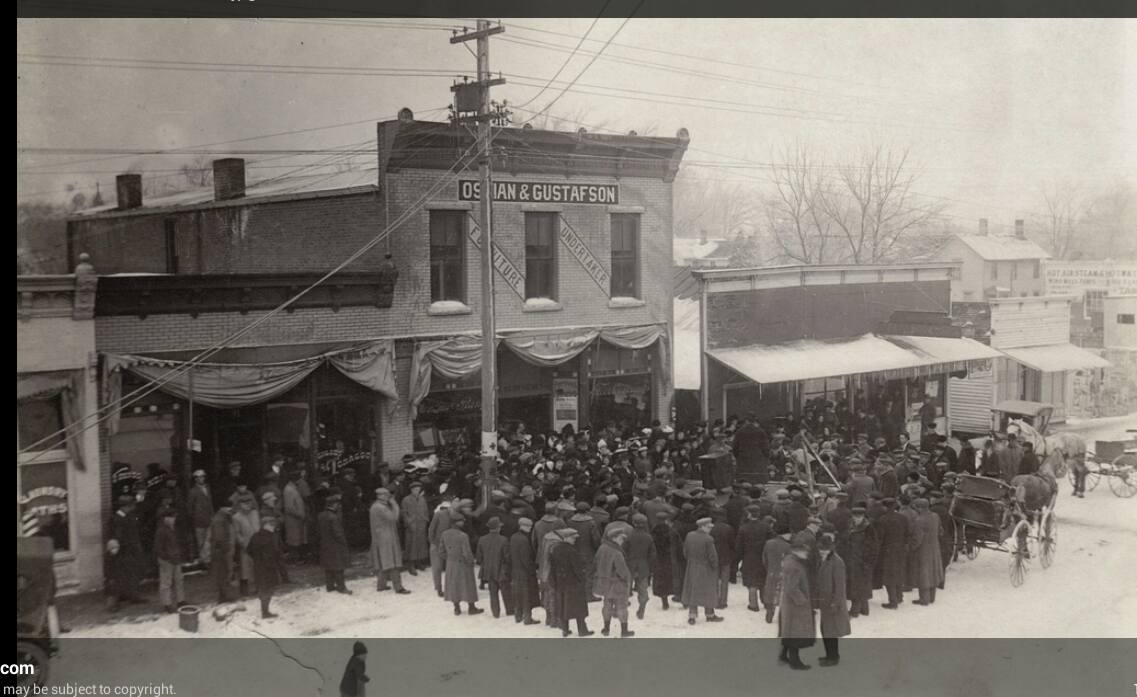
Woodhull, originally named “Heathland” after the first family who settled here in 1851, was home to the area’s first Post Office, which operated out of their residence with postage costing just 25 cents.
From 1855 to 1857, the community was known as “Leoti,” meaning “Indian flower.” On September 30, 1857, Navy Captain Maxwell Woodhull surveyed and laid out the village on land he owned, giving the town its present-day name of Woodhull.
What began as an unincorporated village in 1857 was officially incorporated in 1870, marking the beginning of the community’s continued growth and history.
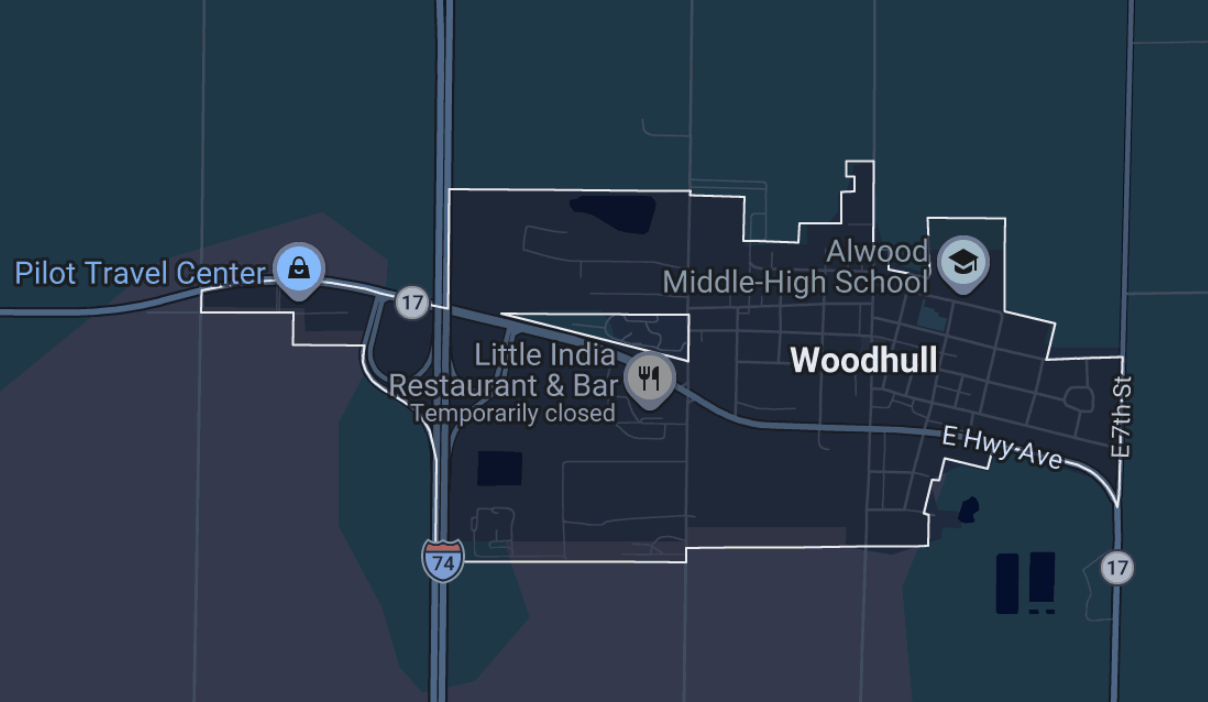
30 miles SE of the Quad Cities
15 miles north of Galesburg
60 miles NE of Peoria on I-74 at exit 32 on Illinois Hwy 17
Founded in the mid-1800s in western Illinois, Woodhull grew from a small prairie settlement into a close-knit community built on hard work, local pride, and generations of neighborly connection.
In the early 1880’s, Woodhull had a brickyard, Gillette Brick and Tile Company, which employed 30 men.
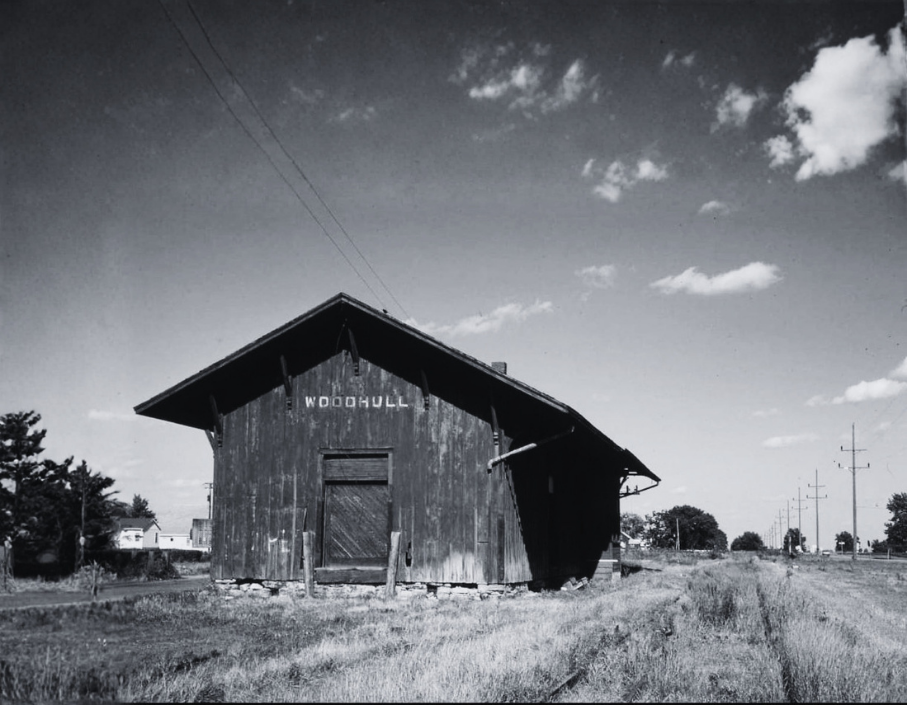
In 1868-69, the American Central (later C, B, & Q) Railroad was built through town, connecting New Boston with Galva, and allowing a Woodhull factory with 20 employees to ship more broom corn than any other place in the U.S.A. in 1871-72.
The first hard road, Route 17, came in 1924 and Interstate Route 74 came in 1967 with over 10,000 cars now using the Interstate daily.
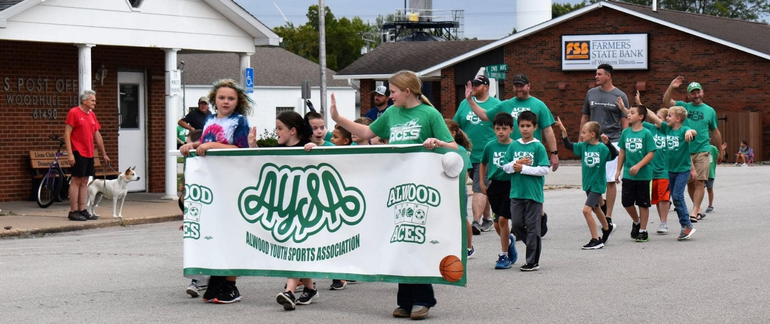
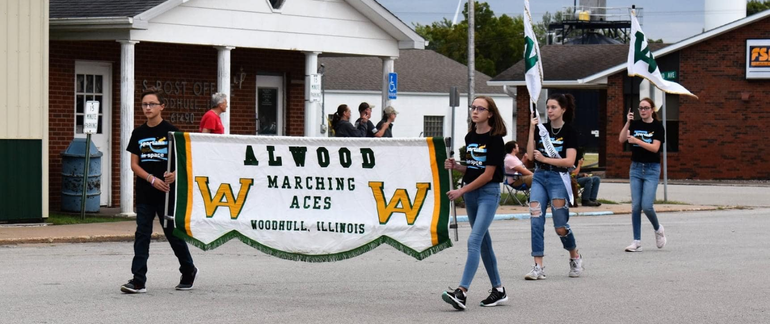
In 1948, the schools of the Village of Woodhull consolidated with those of the Village of Alpha, to form the AlWood Schools that are still here to this present day in 2026.
In 1980, the Woodhull Women’s Christian Temperance Union decided to disband and dispose of some property they owned near Kewanee, Illinois; using the money from the sale to build the Clover Township Library for $300,000. Today, the library remains a cherished part of the Woodhull community, continuing to serve residents as a welcoming place for learning and local history.
Surrounded by the rich farmland of Henry County, Woodhull has long been shaped by agriculture, railroads, and hardworking families who built their lives on the Illinois prairie. Though modest in size, the village continues to be a place where neighbors know one another, traditions are carried forward, and community pride remains woven into everyday life.
of